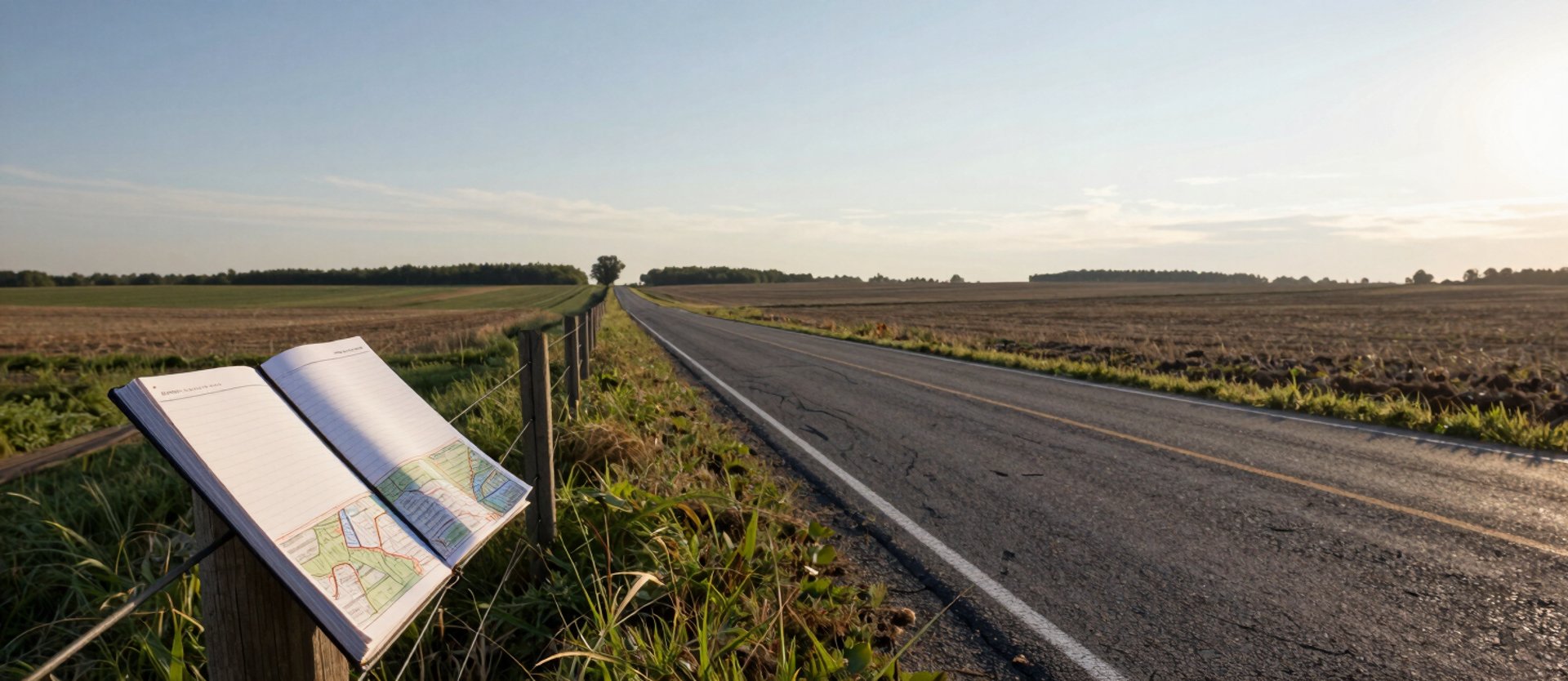
We walk the land before we read the record.
A fieldwork collective documenting overlooked history across Ohio and Montana — county by county, terrain by terrain, margin story by margin story.
Dave Hall (aka Big Sky)
Dave is a proud native Montanan who has spent more than four decades immersed in the state’s culture, history, and rugged way of life. His deep appreciation for Montana was shaped early on by his father, whose passion for history inspired countless trips to the Custer Battlefield on the Crow Reservation. There, Dave developed a profound respect for the stories of Custer’s Last Stand—walking among the grave markers of the soldiers who fought and died, and gaining a firsthand understanding of the land’s enduring legacy.
During his career in education, Dave lived and worked adjacent to the Crow Indian Reservation, where he built meaningful connections within the community. As a Cross-Country Varsity Coach at Hardin High School, he coached both Crow and Cheyenne athletes, helping them achieve national-level recognition. His commitment extended beyond coaching—he shared in the experience, running alongside his athletes on the historic trails of the Little Bighorn battlefield, in areas seldom accessed by outsiders.
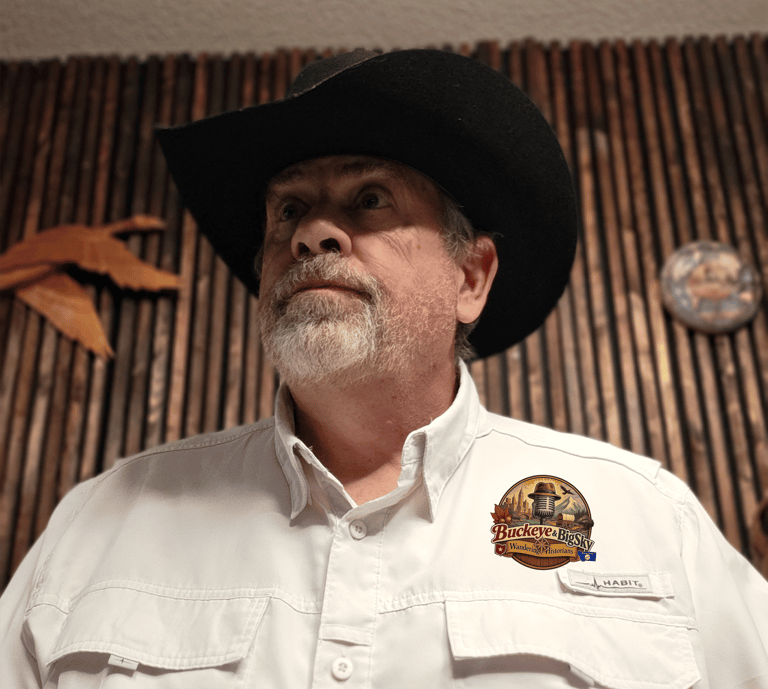
Mike Carmody (aka Buckeye)
I am Irish.......
I am old.........
I am a teller of stories..........


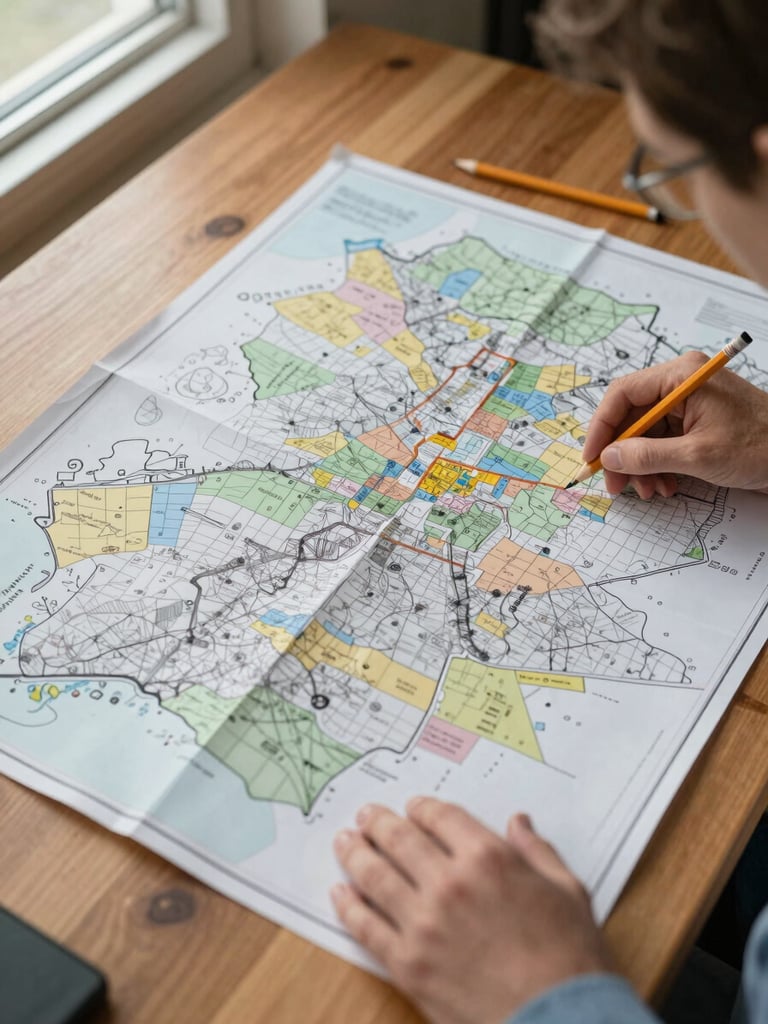
Ground truth before the archive
We arrive at a site before we open a document. The terrain, the buildings, the people still living near the record — these are the first sources. Documents become readable only after you understand the land they describe.
That sequence — direct encounter first, archival corroboration second — is the discipline that separates fieldwork from curatorial summary. It takes longer. The threads it finds are ones no one else has pulled.
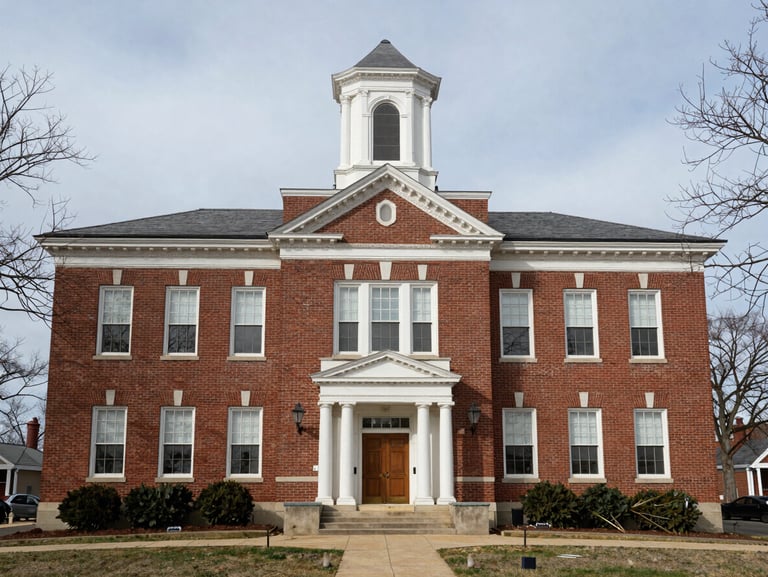
Ohio and Montana — both underrepresented
Ohio — dense county records
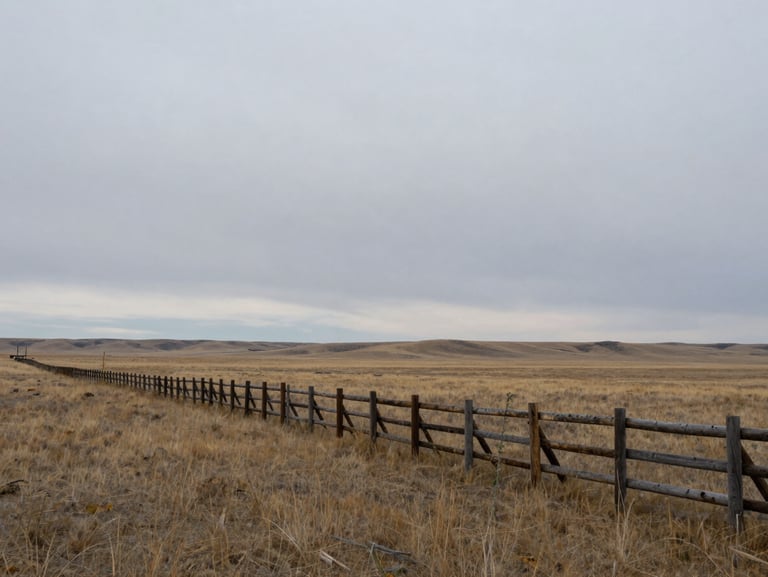
Montana — wide terrain, sparse record
Ohio's townships hold some of the most granular local records in the country — deed books, commissioner journals, township plats. We spend months inside these repositories finding the threads that canonical state history skips entirely.
Montana's distances demand a different patience. Records are thinner, communities further apart, and the land itself is the primary evidence. We walk before we ask, and ask before we conclude.
The record is already there — patient enough to find it.
Every dispatch in our Field Notes archive is the result of direct encounter — a place visited, a document handled, a detail that only surfaces when you're standing in the right county at the right time.